Newly Minted Doctors Begin Their First Jobs In July: Should You Be Afraid?
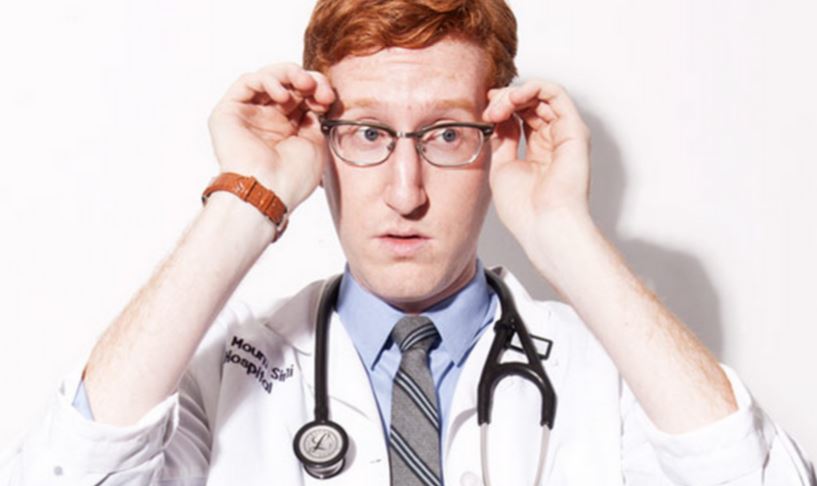
Photo By Danny Kim
The short answer, in my opinion, is yes.
The long answer is slightly more nuanced. As it turns out, studies suggest that one’s relative risk of death is increased in teaching hospitals by about 4-12% in July. That likely represents a small, but significant uptick in avoidable errors. It has been very difficult to quantify and document error rates related to inexperience. Intuitively we all know that professionals get better at what they do with time and practice… but how bad are doctors when they start out? Probably not equally so… and just as time is the best teacher, it is also the best weeder. Young doctors with book smarts but no clinical acumen may drop out of clinical medicine after a short course of doctoring. But before they do, they may take care of you or your loved ones.
It has been argued that young trainees “don’t practice in a vacuum” but are monitored by senior physicians, pharmacists, and nurses and therefore errors are unlikely. While I agree that this oversight is necessary and worthwhile, it is ultimately insufficient. Let me provide an illustrative example.
When I was a new intern I was assigned to a patient with curious eyelids. He was a mildly obese, middle aged man with a beard who spoke in hushed tones. What struck me the most was that he had voluminous upper eyelids. They were so strange that I couldn’t stop staring at them. He didn’t have any hives or red blotches on his skin, and his eyeballs were clear and white. There was no pus or discharge of any kind. I was so perplexed that I began to search through his medical record for answers before I embarrassed myself by asking for a consult. After many hours of digging, I discovered the smoking gun.
Apparently, he had been given repeat boluses of 1 Liter of IV normal saline by dutiful interns and residents who had not communicated with one another about who would write the order. So they all did. This man was so fluid overloaded that his eyes were literally bugging out of his head. No one had noticed the edema because of his size, and because (thank God) his heart and kidneys were young and healthy enough to handle the load without going into outright failure. Also, normal saline is such an innocuous medication that it didn’t flag any concerns by the nurses (who were also rotating through the service and busy swatting the more obvious mistakes being made by the fresh crop of interns).
If this poor patient had congestive heart failure or kidney disease, he could have been killed by well-meaning, diligent interns with salt water. Fortunately for him, he made a full recovery – and because there was technically “no harm done” I don’t even think this case was discussed in M&M (morbidity and mortality) conference, and I also doubt that anyone was reprimanded. Sounds crazy, but there are bigger fish to fry in July.
So my point is this: rookie mistakes are not always tracked, documented, addressed, or perhaps even noted. But they are real. They are scary. And they are lurking at every teaching hospital in this country. We must all remain on high alert – and question everything. Because even eyelids offer important clues, and water can kill.
***
If you or a loved one insist on falling ill in July, I recommend finding a hospital with a culture of carefulness or bring a patient advocate with you.