February 10th, 2014 by admin in Health Tips, News, Quackery Exposed
6 Comments »
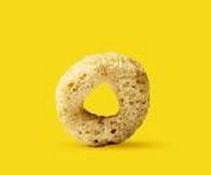 Make no mistake about it. General Mills’ introduction of Cheerios sporting the label “Not Made With Genetically Modified Ingredients” is a mere marketing ploy and has nothing to do with health or nutrition. Let’s start the dissection of this blatant attempt to capitalize on the anti-GMO paranoia by looking at the main ingredient in Cheerios, namely oats. Samuel Johnson, the 18th century writer who compiled the first authoritative dictionary of the English language whimsically defined oats as the grain “eaten by people in Scotland, but fit only for horses in England.” A clever Scot supposedly retorted “that’s why England has such good horses, and Scotland has such fine men!”
Modern science, as it turns out, supports the ancient Scotch penchant for oats. A form of soluble fiber in the grain known as beta glucan has been shown to reduce levels of cholesterol in the blood which in turn is expected to reduce the risk of heart disease. You couldn’t tell this by the Scottish experience, though. Scotland has one of the highest rates of heart disease in the world. It seems all that haggis, refined carbs and a lack of veggies is too great a challenge for Scotch oats to cope with. Actually you need at least 3 grams of beta glucan daily to have any effect on blood cholesterol and that translates to roughly a cup of cooked oat bran or a cup and a half of oatmeal. Or about three servings of Cheerios. And that makes the cholesterol lowering claims prominently featured on the Cheerios box ring pretty hollow. There are far better ways to reduce cholesterol than gorging on Cheerios.
At least, though, the cholesterol lowering claim has some scientific merit. The “no GMO” claim has none. To start with, there are no genetically modified oats grown anywhere, at least not in the current sense of the term which refers to the splicing of specific foreign genes into the DNA of a seed. Such “recombinant DNA technology: is generally used to confer resistance to herbicides or protection from insects, but resistance to drought and enhancement with nutrients hold great potential. Although it is this new-fangled technology that garners attention these days, the fact is that virtually everything we eat has been genetically modified in some fashion over the years, either by traditional crossbreeding or through the use of chemicals or radiation both of which can scramble the genetic material in crops. The latter processes are based on the hope that a useful mutation will occur by chance, but basically it comes down to a roll of the dice. Just do enough experiments and a valuable mutant may surface. Radiation breeding has produced many varieties of rice, wheat, peanuts and bananas that are now widely grown. If you are eating red grapefruit, or sipping premium Scotch whisky made from barley, you are enjoying the products of this technology.
So if “genetically modified” oats do not exist, what sort of monsters is General Mills protecting us from? As is the case with any commercial cereal, Cheerios contains a number of ingredients with nutritious whole grain oats at the top of the list. Next come modified corn starch and sugar. It is to these two ingredients that General Mills refers when it talks about “GMO-free.” Much of the corn and some of the sugar beets grown in North America are genetically modified to resist herbicides and ward off insects. But by the time the highly processed starch and sugar extracted from these plants reach the food supply, they retain no vestige of any genetic modification. There is no way to distinguish the starch or sugar derived from genetically modified plants from the conventional varieties. The GMO-free Cheerios will not differ in any way from the currently marketed version except that the price may eventually reflect the greater cost of sourcing ingredients from plants that do not benefit from recombinant DNA technology.
The reason for the addition of sugar to Cheerios, actually in small doses compared with other cereals, is obvious. But why is corn starch added, and why is it modified? Nobody likes soggy cereal, and a thin layer of modified starch sprayed onto the little “O”s helps keep the interior dry. The modification in this case has nothing to do with genetic modification. Starch is a mixture of essentially two “polymers,” or giant molecules, both composed of units of glucose joined together. In amylose, the glucose units form a straight chain, while in amylopectin, the main glucose strand features many branches of shorter glucose chains. The properties of any starch depend on the relative proportion of amylose and amylopectin as well as on the degree of branching.
Starch has many uses in the food industry. It can thicken sauces, prevent French dressing from separating, substitute for fat or keep cereals dry. But these uses require starches of specific composition, either in terms of the length of the glucose chains or the degree of branching. In other words, the native starch has to be “modified” by treatment with acids, enzymes or oxidizing agents. There is no safety issue here, modified starches are approved food additives. Of course that doesn’t prevent scientifically illiterate alarmists from scaring the public by blathering on about modified starch being used as wallpaper glue and insinuating that any food made with it will literally stick to our ribs. The modified starch used in glue, namely a “carboxymethylated” version, is not the same as used in food, but even if it were, so what? Just because water can be used to clean garage floors and is found in tumours doesn’t mean we can’t drink it. Talking about washing garage floors, Cheerios also contains tripotassium phosphate, a powerful cleaning agent. It is added in small amounts to adjust the acidity of the mix used to formulate the cereal. This too has raised the ire of some ill-informed activists who do not realize that we consume all sorts of naturally occurring phosphates regularly in our diet. Quacking about the dangers of tripotassium phosphate in Cheerios makes about as much sense as hyping Cheerios that are “Not Made With Genetically Modified Ingredients.”
***
Joe Schwarcz, Ph.D., is the Director of McGill University’s Office for Science and Society and teaches a variety of courses in McGill’s Chemistry Department and in the Faculty of Medicine with emphasis on health issues, including aspects of “Alternative Medicine”. He is well known for his informative and entertaining public lectures on topics ranging from the chemistry of love to the science of aging. Using stage magic to make scientific points is one of his specialties.
June 21st, 2013 by Dr. Val Jones in Health Tips, Research
7 Comments »
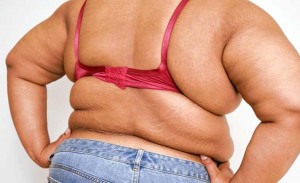 It is estimated that in seven years from now, half of all Americans will suffer from one or more chronic diseases, a majority of which are weight related. The American Medical Association recently declared that obesity itself is a disease. Obesity advocacy groups say that this move will lead to better health outcomes by providing more treatment options, preventative programs and education, as well as better reimbursement for treating individuals fighting obesity.
But what do patients need to know about weight loss? The good news is that a medically healthy weight does not require a very low percent body fat.
Weight loss for health – not for appearance – comes with a different (and in many cases much less demanding) set of recommendations. So for the purposes of this blog post, I’ll focus on key evidence-based advice for patients at risk for weight related disease…
1. You don’t need to lose that much weight to realize substantial health benefits.
A five to ten percent loss of body weight can lower risk for heart disease and other killers. For obese patients, even a modest weight reduction can have significant health benefits. An eleven pound reduction in weight leads to a fifty-eight percent decrease in the chance of developing diabetes. Even just losing two pounds reduces the risk of diabetes by sixteen percent.
2. Most people who succeed at losing weight (and keeping it off) do so with a combination of diet and exercise.
According to the National Weight Control Registry (NWCR) (a database of more than ten thousand Americans who have successfully kept at least 30 pounds off for a year or more):
- Ninety-eight percent of Registry participants report that they modified their food intake in some way to lose weight.
- Ninety-four percent increased their physical activity.
3. Walking is the most common form of exercise reported by successful weight loss subjects.
According to the NWCR, their study participants’ most frequently reported form of activity was walking. That’s not to say that other forms of activity (such as interval and strength training) aren’t an important part of a healthy lifestyle, but it is encouraging to know that brisk walking is a simple, affordable, and easily accessible place to start for most people.
4. Exercise itself (even without weight loss) is one of the most powerful preventive health interventions available.
Physical exercise has been shown to reduce blood pressure; decrease the risk for type 2 diabetes, strokes, certain types of cancer, and heart disease; improve arthritis symptoms and sleep disorders, and reduce erectile dysfunction, anxiety and depression. No pill or procedure can come close to providing all these amazing health benefits.
5. Diet is more important than exercise for shedding pounds of fat.
As I often tell my patients, “You can’t outrun your mouth.” Which means – you can eat far more calories in a short period of time than you can ever hope to burn with exercise. For this reason, diet plays a larger role in weight loss than exercise.
6. It’s more important to lose fat than to lose it by following a particular diet.
If diet is so important for losing weight, the next logical question is “Which diet is best?” Interestingly, the answer may be – whichever one you’ll stick to. Now, of course there are some diets that are more nutritionally sound than others – but the benefits of fat loss are so great, that health benefits are achieved even on relatively “unhealthy” diets. In a landmark diet comparison study, Michael Dansinger showed that study participants achieved similar benefits (such as improved cholesterol profiles, blood pressure, and inflammatory markers) from adhering to any of four vastly different diet regimes ranging from low fat, high carb to low carb, high fat.
7. The healthiest diets limit refined carbohydrate and animal fat intake, while maximizing fruit, vegetable, and healthy fats and protein.
I’ve just argued that a variety of diets work if you stick to them, and adherence is the key to fat loss, and even modest amounts of fat loss can have substantial health benefits. So does it really matter which diet you choose? In the long run, yes. Research has shown that there are some common nutritional principles that result in optimal health. The key ones are:
- Avoid refined carbohydrates as much as possible (such as sugar, fructose, and white flour/rice products). Unrefined carbs (such as whole grains, flax, oatmeal, brown rice, quinoa, berries, and cruciferous veggies) are an important part of a healthy diet.
- Avoid animal fats (trans fats). Healthy fats such as olive, fish and nut oils are preferable.
- Eat a diet rich in fiber, fruits and vegetables.
- Choose lean protein sources, including beans, eggs, chicken, fish, pork, yogurt, and fish.
- Limit alcohol intake and opt for water as your main source of hydration fluid.
8. Aim to lose 1 pound per week.
Cutting out approximately 500 calories from your daily caloric needs (established with a calorie calculator or by personal trial-and-error) is about as much as people can tolerate comfortably over periods of time. Diet adherence decreases as deficits exceed 500 calories per day.
9. The optimal, minimal amount of exercise for the average American adult is about one hour of moderate intensity exercise each day.
There is some disagreement on optimal exercise duration – some groups recommend half an hour per day (American College of Sports Medicine), others (such as the Institute of Medicine) a full hour. A review of the various positions and guidelines is available here. In terms of types of activity, there is general consensus that strength training twice a week should be added to moderate daily aerobic activity for best results.
10. You probably don’t need to take any vitamin or nutrition supplements.
Contrary to popular belief, most Americans (even with their sub-optimal eating habits) meet all of their basic dietary requirements with food intake. Non FDA-approved weight loss supplements have not been found to provide lasting benefits for weight loss and are generally ineffective and sometimes dangerous.
Weight loss drugs and surgical procedures may be effective last resorts for those who have failed to achieve results with diet and exercise. New prescription anti-obesity drugs and FDA-approved over-the-counter options are effective at helping patients shed extra pounds, but often come with unwanted side effects such as anal leakage and adverse cardiac events.
In conclusion, obesity underlies most of America’s chronic disease burden but can be reversed with modest weight loss through diet and exercise modifications. Patient adoption of long-term lifestyle changes are challenged by economic factors (e.g. healthy food “deserts” in inner cities), sedentary lifestyles, poor urban planning, excessive fast food and sugary beverage consumption, increasing portion sizes, and high tech conveniences that reduce energy expenditure, among other factors.
Patients are more likely to begin weight loss programs if recommended to do so by their physician, though studies suggest that they take advice more seriously if their physician is not overweight or obese herself. In our efforts to treat obesity, it may be especially important to lead by example.
May 6th, 2013 by Dr. Val Jones in Health Tips, Opinion, True Stories
7 Comments »

Dr. Val "After" Photo #1
I just completed 8 weeks of what I’d call “extreme dieting and exercise.” I don’t mean dangerous starvation and constant exercise, I mean the hardest “medically safe” amount of diet and exercise possible. It involved about 3 hours of exercise per day (6 days/wk), along with a calorie-restricted diet of 1500 calories/day (no refined carbs, only healthy fats, relatively high protein). My exercise consisted of heavy weight lifting, kettle bell sets, kickboxing, and sprints on the bike, summit trainer, and on an outdoor track, with long walks each afternoon. Trust me when I say – I pushed myself to the very limits of what my body could handle without becoming sick or injured. I did this with the help of my dear friend and trainer Meredith Deckert.
Why on earth would I do something so extreme? Well, first of all, I wanted the “right to bare arms” on my wedding day. I just woke up and realized I was getting married in 8 weeks and that I’d have photos of the event memorialized for my future kids and grand kids… so the “bat wings” had to go (you know what I’m talking about, ladies), and the time till “lift off” was pretty short – hence the need for maximum effort.
Secondly, I was scientifically curious to know what a “best case scenario,” two month, physique optimization strategy might produce. I knew I wouldn’t cheat on the diet or fall off the exercise wagon, so at least I could be sure that results were based upon strict adherence. Self-reports of diet and exercise regimens are notoriously inaccurate, so this doubting Thomas had to see for herself! (Of course n=1 in this experiment and won’t correlate exactly with others’ experiences due to differences in starting fitness, body fat, age, genetics and gender).
And Thirdly, I wanted to experience (first hand) what is possible so that I could empathize with my patients who were trying to lose weight, and provide personal anecdotes of encouragement. Since America’s biggest health challenge (pun intended) is obesity, I feel obliged to do my part to model lean living. Otherwise, what right do I have to teach others what to do? (Note that heavier physicians are less likely to educate overweight patients about weight loss).
So what did I learn? Each of these probably merits its own blog post, so I’ll summarize briefly and dig into the details with you soon…
1. Calorie math doesn’t necessarily work with the bathroom scale. We’ve all heard that a pound of fat equals 3,500 calories, so that if you decrease your calorie intake (or increase your calorie burn) by that much, you WILL lose a pound on the scale. That has not been my experience (I lost an average of only 30% of what the scale should have shown based on the math). I have some theories as to why that might be (which I’ll share later), but suffice it to say that if you are “doing everything right” and the scale is not rewarding you – take heart!
2. Weight training improves how you look MUCH more effectively than cardio. Before my extreme diet, I was running 1/2 marathons and spending hours on the spin bike. I was in excellent cardiovascular shape, but I had a relatively high percent body fat (about 30%) and I was certainly not getting “skinny” from all the running. I was actually losing muscle and looking softer and more “out of shape.” Dialing down the cardio and increasing the weight training had a rapid, visible impact on how athletic I looked.
3. Your leaner self may not look the way you think it will. When I first began my weight loss journey, I imagined that I would slowly melt away all the excess fat to reveal a lovely ballerina inside. What I found was that after the fat was gone, I wasn’t a ballerina at all. I looked a lot more like a wrestler! People really have different genetically determined body types – and no amount of diet and exercise will make us look like someone else. We’ll just look like our best selves, which is ok! Don’t fall into the trap of thinking that success only looks like a Sports Illustrated swimsuit model. After all, Olympic athletes all have very different bodies, and are at the top of their respective games! (This fun, height and weight database shows how you compare to recent Olympians.)
4. Clothing size is the most helpful measure of success. After 2 months of intense diet and exercise the scale only changed by about 6 lbs. The body impedance analyzer told a little different story (the InBody 520 estimated that I had lost about 10 lbs of fat and gained 5 lbs of muscle with an overall percent body fat loss of about 4%.) But the truth is, that nothing measured my success as well as clothing. I dropped nearly two dress sizes and had to buy a new wedding dress a week before the event! So if your scale isn’t showing you love, what are your jeans saying? Listen to them.
Conclusion: In my experience, the best a slightly overweight, middle aged woman can do (safely) in 8 weeks is lose 10 lbs of pure fat and gain 5 lbs of muscle. It is extremely difficult to achieve that much, and I would highly recommend doing it over a longer period of time. Is the pain worth the effort? Here are my “before” and “after” photos. What do you think?
Before: (151 lbs)
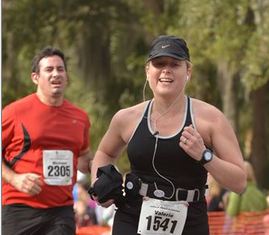
After (145 lbs):

December 24th, 2012 by Dr. Val Jones in Book Reviews, Quackery Exposed
No Comments »
 I am hesitant to review diet books because they are so often a tangled mess of fact and fiction. Teasing out their truth from falsehood is about as exhausting as delousing a long-haired elementary school student. However, after being approached by the authors’ PR agency with the promise of a book that contains science-based nutrition information I decided to agree to the review. This is how the book was described to me in an email:
In their provocative new book, Eat to Save Your Life, best-selling authors Dr. Jerre Paquette and Gloria Askew, RRN, sort through the piles of information and misinformation about nutrition to reveal the true connection between food and health. Fed up with the advertising hype and conflicting nutritional advice, the duo provides common sense explanations for consumers everywhere who are looking to make smart nutritional choices.
Unfortunately, I was sold (quite predictably) a bill of goods. And rather than ignore the book and simply not do a review, I figured that maybe a negative review would reduce the number of incoming PR requests for future tomes of pseudoscience. In the end, I’ll probably just become the focus of personal attacks by dedicated proponents of various snake oils.
That being said, I thought it might be somewhat instructive to remind Better Health readers of certain basic “warning signs of pseudoscience” that I accidentally overlooked in agreeing to review the book. For a more complete review of similar “signs” I highly recommend Dr. David Gorski’s 2007 classic, humorous take on predictable arguments and behaviors of alternative medicine proponents (written in the style of comedian Jeff Foxworthy). As for me, I tend to think of much of the world of integrative medicine as a militant group of bakers eager to add odd, inert and occasionally toxic substances to cake recipes.
And so, without further ado, here is a small sample of what authors Askew and Paquette have added to their half-true diet book recipe:
- The “one true cause” fallacy: The book opens with an interesting review of vitamin C deficiency, noting that it (apparently) took the British Royal Navy 40 years before they accepted that the treatment for scurvy was citrus extract (rather than flogging). Citing this incident as an example of nutritional deficiency leading to life-threatening illness, it’s a short ride to the “one true cause” fallacy whereby the authors postulate that there are untold numbers of modern diseases caused by unrecognized nutritional deficiency syndromes. Nutritional deficiency may be the one true cause of most diseases, you see.
- The appeal to research without references. Countless appeals are made to “mounting evidence” of this and that (arthritis being caused primarily by food-related inflammation for example), either without reference footnotes, or with mentions of sources of dubious credibility (such as the Canadian Association of Naturopathic Doctors).
- The appeal to supplements in lieu of vaccines. No diet advice would be complete without a gratuitous attack on vaccines, right? The authors suggest that flu vaccines (for example) only provide immunity for 2 months “and only for certain individuals.” Meanwhile, they assert that a combination of Echinacea, garlic, and vitamin C support the immune system to successfully fight of viruses. These claims are simply unproven and multiple studies have already found no benefit (over placebo) of these supplements at preventing and treating the common cold.
- Over-diagnosis. If you think that the world of medicine is predisposed to seeing disease where there is none, try the alternative medicine world. The authors assert that everything from zits, to rashes, to “brain fog” are potential signs of grave underlying immune compromise – caused by, you guessed it, dietary deficiencies.
- Over-supplementation. The authors argue that “supplementation is a necessity in our nutrient-robbed world.” However, new evidence doesn’t support supplementation for the general population, though it had beentraditionally felt that multi-vitamins might be valuable. In addition, new studies are finding that food sources are preferable to supplements for daily nutritional requirements (such as calcium) and that anti-oxidants such as vitamin E may do more harm than good.
- The “organic is more nutritious” argument. Although a recent systematic review of the scientific literature found no support for the notion that organic foods contain more nutrients than those grown with traditional methods, the authors attribute Americans’ supposed vitamin deficiencies to poor soil quality caused by non-organic farming methods.
- Nutrigenomics and DNA hype. The authors do not take a sufficiently skeptical view of the emerging field of nutrigenomics (whereby certain foods and supplements are recommended to individuals based on their genetic profiles). They even suggest that nutrigenomic testing is so much fun, it’s “almost like being part of a CSI television show.” Who cares if it’s no more accurate than fortune telling?
So what’s the half true part? Well, obesity is certainly a driver of many modern illnesses, and obesity is caused by (in no small part) nutritional choices. The authors cite statistics on the ravages of heart disease, high blood pressure, and diabetes on the U.S. population which are all quite true. (How this supports the “deficiency” argument is somewhat lost on me – because it would seem more logical that a possible excess of nutrients could be the “one true cause” of a lot of these diseases, but I digress).
There are real nutritional deficiencies that cause medical problems, such as iron-deficiency anemia, neural tube defects related to folic acid deficiency, vitamin D deficiency and rickets, and osteoporosis contributed to by low calcium levels. These conditions underscore the importance of healthy eating habits, but do not support the idea that the entire population is deficient in these nutrients. In fact, a large population study analyzed by the CDC, suggests that most Americans are not deficient in any major nutrient even with their current sub-optimal and obesogenic eating habits.
In general, fair-minded individuals will find Eat To Save Your Life to be yet another example of a half-true, hysteria-peddling, micro-nutrient-obsessed diet advice book. Ironically, the book’s title itself states the opposite of what we really need to be doing to reduce obesity-related diseases: stop eating (so much) to save our lives.
This book may be purchased (against my medical advice) at Amazon.com.
***
This post originally appeared at the Science Based Medicine blog.
December 11th, 2012 by Dr. Val Jones in Health Tips
No Comments »
 I’ve continued to have terrific email questions and answers with the Boys & Girls Clubs’ Fit Family Challenge participants. I thought I’d publish some of our conversations so that you can participate as well. The Lang family shared this image of their son eating dinner next to the latest USDA dietary recommendations “MyPlate” materials. A picture’s worth 1000 words, isn’t it?
This cute fella is a healthy weight, he is very athletic, and he’s also wondering where chicken nuggets, french fries, and pizza fit in to the MyPlate dinner plans… His mom asked me how to make more “kid friendly” healthy meals. Perhaps some folks reading this have some success stories that they’d like to share? Here’s what I had to say to the Langs and others…
1. My son doesn’t think the MyPlate suggested meals are kid friendly. What can we do?
I wonder if your son would be open to trying healthier variations of the foods he likes? You could make a pretty tasty pizza with whole wheat crust, grilled veggies, a little pesto or tomato sauce and some ham cubes (ham is much lower in fat than sausage or pepperoni) and low fat shredded mozzarella. You can get a pizza stone to help crisp the crust in a regular oven. The pizza would probably reheat well so you could make it in advance too.You can bread chicken strips and bake them (instead of frying them) to simulate healthy chicken “nuggets.” Same for fish sticks. You can try sweet potato fries for a healthier fry option – bake them in the oven with a little olive oil, salt and pepper. More nutritious, kid-friendly recipes may be found at KidsHealth.org
2. Do my kids need 8 cups of water a day?
As far as water is concerned, the amount you need really depends on how much liquid you’re getting from other sources (food, beverages) as well as how much you’re sweating (exercise), how hot/dry the environment is and how much you weigh. Eight cups/day is a very rough rule of thumb. Some people need more or less depending on the day. Unless you are doing extreme exercise (in the heat) that requires fluid replacement before you notice that you’re thirsty, thirst is a good indicator of whether or not you need to drink. Also, I’ll tell you a doctor secret – all you need to know about hydration is in your urine color. Urine becomes very concentrated (dark yellow) when you are dehydrated. If you drink enough water to keep your urine a nice light yellow, then that’s all you need.
3. What are the best vegan protein substitutes for meat?
Concentrated vegetable protein is primarily derived from soy (tofu and tempeh) and wheat (seitan). Nuts and seeds also contain some degree of protein, as well as beans, lentils, and rice. Tofu, tempeh, and seitan can be molded into burger and hotdog shapes and may be prepared to mimic meat flavors. Keep in mind that concentrated soy or wheat proteins may not agree with your intestinal tract (some complain of excessive gas and bloating). So if you have those reactions, at least you’ll know that it’s quite common.
4. Is it healthy to be a vegetarian? Is there such a thing as too much fruit and veggies?
Vegetarianism can be healthy, though it takes some effort to ensure that adequate amounts of nutrients are received – especially if you’re vegan (no dairy, no eggs). The most common deficiencies for vegans are iron, B12, calcium, Omega-3 fatty acids, protein, and Vitamin D. (You can read more about how vegetarians can overcome these deficiencies here.) I guess my main concern with veganism is the low omega-3s. It is basically impossible to get enough omega-3 fatty acids from plant sources (certain seeds, you may have heard, have a good amount of omega-3 fatty acids but what they won’t tell you is that plant omega-3’s aren’t processed by the body so they remain inactive and don’t provide much benefit.) Omega 3 fatty acids form a protective layer on the outside of cell membranes by reducing inflammation. This is particularly helpful in the reduction of plaque build up in heart arteries, and reducing the risk of various dementias (such as Alzheimer’s) that have an inflammatory cause.
Excellent sources of omega 3 fatty acids are oily fish (sardines, salmon, mackerel, sea bass). This is why the American Heart Association (and MyPlate.gov) recommend 2 servings of oily fish/week for optimal health. Vegetarians are missing out on this important benefit.
As far as eating too many fruits/veggies is concerned – I can’t think of too many potential harms from eating large amounts of fruits/veggies (other than weight gain if you really eat a lot of fruit – they have quite a bit of natural sugar). The real harm comes from excluding vital nutrients by eating plants exclusively (without a careful strategy to get the right plant sources of vitamins and minerals, along with omega-3 supplements).