I’m often asked to do book reviews on my blog, and I rarely agree to them. This is because it takes me a long time to read a book – and then if I don’t enjoy it, I figure the author would rather me remain silent than publish my true thoughts. Most of the reviews that I end up writing are unsolicited, but today is an unusual exception. A colleague asked me to read her book, “How To Be A Rock Star Doctor.” I got half way through when she checked in to see how things were going. I had to tell her that I didn’t agree with some of her advice to young doctors, and I worried that she would be discouraged by my honesty.
I was very pleasantly surprised to find that she welcomed the criticism and actually asked me to write my review – favorable or unfavorable as I saw fit. She is the very first author to take that position (others have thanked me for not writing a review) and I am proud of her for it.
In essence, How To Be A Rock Star Doctor, is an easy-to-read primer for young primary care physicians looking to setup their first outpatient practice. The troubling part of the book (for me) was Dr. Bernard’s approach to the empathy fatigue that can set in for overworked physicians. In her view, we must “fake it” if we’ve lost it or don’t have it.
The book contains specific advice for how to appear empathic. Smiling broadly (no matter how one is feeling internally), dressing in a white coat, and exuding confidence, are recommended because we should see our patient interactions as an acting role – we are on stage, and they are depending on us to look/act the part.
Although Dr. Bernard rightly points out that there is research to support smiling as a means to achieving a happier mood, I was left with a certain uneasiness about the idea of putting on an act for patients. Something about the potential for dishonesty didn’t feel right to me. But then again, maybe the alternative – just being oneself – can create a poor therapeutic relationship if we’re in a bad mood for some reason.
I have heard many times that doctors can be uncaring to patients. Heck, I’ve even blogged about terrible interactions that I’ve had with my peers when I was in the patient role. But what is the solution? Should doctors learn how to imitate the qualities of a compassionate physician to achieve career success, or should we go a little deeper and actually try to be caring and let the behavior flow from a place of sincerity?
On the one hand, any tips to make the doctor-patient relationship go more smoothly should be welcomed… but on the other, if patient care is just an act, then what kind of meaning do our relationships have? If we act empathic do we eventually become empathic? Maybe yes, maybe no.
One thing I’m sure of, Dr. Bernard has opened an interesting discussion about how to handle stress, burnout, and create an excellent therapeutic experience in the midst of a broken healthcare system. She is willing to take criticism, and has endeared herself to me through our email exchanges. While I may not agree with all of her strategies to optimize patient satisfaction, one thing seems clear: she is as advertised — a rock star doctor.
Thanks to support from OTCSafety.org, I’ve created a series of health tips for common medical concerns. This week’s article is about how to diagnose and treat sleep difficulties in children and adolescents. There are many possible causes of insomnia, which include everything from emotional distress to bad dreams, breathing problems, stomach pains, medical conditions or behavioral problems.
In my article I discuss how you can work with a healthcare professional to determine the cause of your child’s sleep difficulties (this includes details on how to keep a sleep diary). I offer instructive do’s and don’ts to promote healthy sleep, and offer examples of symptoms that may require medical intervention.
For the full article, please click here. I promise it won’t put you to sleep! 😉
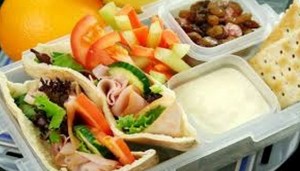
I’m very excited to be the nutrition coach for the Boys & Girls Clubs’ Fit Family Challenge again this year. In surveying the finalist families, I discovered that the two most important nutrition issues on their minds were cooking speed and food affordability. Far down the list were things like food allergies, weight loss, and nutrition basics.
Contrary to popular belief, healthy eating doesn’t have to be expensive. A new study showed that a healthful diet only costs an average of $1.50/day more than an unhealthy diet, and the additional cost is mostly related to the expense of leaner protein sources. So with a little bit of shopping savvy, you can change your family’s nutrition without breaking the bank.
Since busy moms and dads are always looking for ways to provide fast, nutritious meals for their children, I thought I’d provide some tips for doing so on a budget. These are strategies that I also use when I’m traveling across the country, working long hours at hospitals with only a microwave and small refrigerator available, and very little time for meal prep. If your day is frantic, and you don’t have much time to cook, then these tips are for you! (I’m not saying we’re going to win any culinary awards for these meals, but they are very practical. Please use your own favorite herbs and spices for flavor. I have added links throughout this post to show you examples of products I’ve used and like – but there are many other good ones out there!) 😀
1. Tupperware. Make sure you have lots of plastic storage containers (Tupperware or other brand) and baggies in various sizes. You can reuse the containers and portion out food into single serving sizes in advance. Don’t worry about finding containers that are “BPA-free” – they may cost more and fifty+ years of scientific studies (reviewed by the U.S. Food and Drug Administration) have determined that they are safe for microwave use and food storage.
2. Prepare meals ahead of time. Set aside one day a week where you will fill containers and baggies with single serving sizes of 1) protein, 2) fruits/veggies, 3) nuts/fats, and 4) complex carbohydrates. Each meal should include one of each. Snacks can contain two or three of the four groups. Each family member can quickly grab portions for their meals, lunch boxes, or snacks, and you can make up plates for dinner by reheating them in the microwave.
3. Fast protein. Pre-cooked, grilled chicken or turkey strips can be found in the refrigerated or frozen section of your local discount store. Four ounces of grilled chicken is a good serving size, and make sure you choose the chicken without sauce or chemical flavorings as your healthiest option. One serving takes about a minute to reheat in the microwave. Other great sources of protein include plain Greek yogurt (a serving is 1 cup), protein powder (whey, egg, or vegan sources), pre-packed hard-boiled eggs, canned tuna or fish in water, smoked salmon, and low-fat cheese sticks.
If you have a stove and 4-8 minutes to spare, quick-fry pork chops, lean beef, fish fillets, or egg beaters (plain, liquid egg whites in a carton are even better) with low-fat shredded cheese with a few chopped veggies can make a great omelet that’s fast and affordable.
You can make egg whites in a microwave (spray a microwave container with a little bit of pure olive oil cooking spray) and cook for one and a half minutes per serving. Top with salt, pepper, cheese, and maybe a little ketchup if you like that. Super fast, super healthy.
In a pinch, beef, pork, and natural turkey jerkies are very portable protein sources. However, they can be expensive, and you must look for the all natural varieties (not the jerky full of salt and chemicals at various truck stops across the country).
4. Fast fruits & veggies. Fruits are pretty easy because you can chop them up or peel them quickly, but if you don’t want to chop them too far in advance, pre-made fruit cups are a little more expensive, but very convenient. Make sure you choose the fruit that is packed in its own juice, not syrup.
As far as veggies are concerned, some can be enjoyed raw (celery, carrot sticks, lettuce, tomatoes etc.) but others need cooking. The fastest way to cook most fresh veggies is to steam them in a microwave. Stores now pack veggies (such as green beans, broccoli, and snow peas for example) in “steam-in bags” where you can just puncture the bag with a fork and then microwave the veggies for a couple of minutes. If you’re buying veggies in bulk, you can purchase “Zip n’ Steam” bags and use those instead. I’ve used these bags for everything from butternut squash to corn on the cob. They lock in all the vitamins and minerals that you may loose in a boiling or canning process.
Otherwise, frozen veggies are very convenient and are pre-chopped. Canned vegetables are also rich in vitamins (though they tend to lose the water soluble A&B vitamins so you’ll need to get those from your fruits or a squeeze of lemon in your water) and very easy to heat and are affordable.
5. Fast fat. Mostly, what I mean by healthy fats is nuts, seeds, and vegetable oils (especially olive). Fats are rarely cost-prohibitive and it doesn’t take much to “prepare” them. Healthier nuts and nut butters are plain (no sugar or salt added). Avoid candy-coated nuts, sugary spreads, or trail mixes that have “yogurt-covered” anything or chocolate added. Go easy on the dried fruit as it is a simple sugar. Cook with olive oil or olive oil spray when you can. Limit your animal fat intake (butter, high-fat cheese, lard, bacon) as it is not as healthy for you as vegetable sources.
6. Fast complex carbohydrates. I’m a big fan of brown rice. It’s very inexpensive and reheats well with a little moisture in the microwave. You can purchase the rice dry (this is the most affordable way, but you’ll need to cook up a big batch once a week), or pre-cooked in microwavable bags or containers. Brown rice grits, corn grits, cream of wheat, and oats all make quick, microwavable portions of carbs. Whole grain tortillas take 15 seconds to heat in the microwave and can be used as a wrap or side-dish. Whole grain breads, sugar-free whole wheat cereal, canned beans, hummus, and sweet potatoes (not in syrup) are all fast and affordable.
7. Drink water. It’s free, it’s everywhere, it has no calories. Water is the healthiest fluid source available, so make use of it. To save money, you can re-use plastic water bottles by refilling them with tap water. If your tap water doesn’t taste great, a squirt of fresh lemon or lime juice (along with keeping it colder) should solve the problem. Sugary sodas, juices, and energy drinks should be limited. Club soda, sparkling water, or diet sodas are a better choice if you are craving carbonation. Skim milk, almond, rice, or soy milk are healthy options as well.
8. Buy in bulk. So now that we have broken down the healthy, affordable diet into its four components and fluids – it’s time to stock up! Buying large quantities of your favorite non-perishable items can save money. Consider cost-sharing with another family, coupon-clipping, and price-shopping. Some items that you normally don’t think of as frozen goods actually store very well in the freezer – bread, tortillas, nuts, and bananas for example can last for months in the freezer. For a review of the best grocery items to buy in bulk, see this slide show.
9. Skip the organic food. Organic products are very expensive and do not provide a significant nutritional advantage over regular foods. You may wish to buy organic food to support your local farmers or because the items are fresher-looking or their packaged goods may have fewer preservatives or added ingredients, but don’t spend your last penny on organic foods because you think it’s the only way to keep your kids well-nourished. As far as reducing your potential exposure to pesticides, organic foods may reduce pesticide exposure by 30%, not exactly the “pesticide-free” level that some would lead you to believe. Most experts (including the FDA) agree that the amount of potential pesticide residue found on fresh fruit and vegetables is too low to pose a significant risk human health. Washing fresh produce with soap and water, or removing the skin, can further reduce levels if you have concerns.
10. Don’t waste money on vitamins and supplements. Although it seems like a good idea to provide your children with extra vitamins in pill-form, the majority of U.S. children and adults (according to large CDC nutrition studies) are not deficient in any vitamin or mineral. Our fortified food sources, even with sub-optimal diets, are doing a surprisingly good job of getting us all the nutrition we need. If your doctor has determined that you or a family member has a nutritional deficiency, then please follow their advice regarding supplementation. As for herbal supplements, be very careful of those since recent studies have shown that they often don’t contain the active ingredients on their labels and may even contain harmful allergens instead.
There are probably many other terrific ideas that you’ve discovered on the path to feeding your family quickly and affordably. Please share them on the blog so we can expand our creative meal planning together! I’ll be thinking of the Fit Family finalists as I enjoy my brown rice and green pepper chicken fajitas in my hospital microwave this week!
Our annual “fall back” time change that gives us an extra hour of sleep is welcome news for most of us. But there are some unintended consequences of darker evenings, especially for drivers. According to the National Safety Council, traffic death rates are three times greater at night than during the day.
In a special rebroadcast of the Healthy Vision with Dr. Val Jones show, I interviewed Dr. Christina Schnider, Senior Director, Professional Communications for VISTAKON® Division of Johnson & Johnson Vision Care, about common nighttime driving problems such as dry eyes, headaches, and eye fatigue. I also spoke with John Ulczycki, Group Vice President – Strategic Initiatives, for the National Safety Council, about safe driving tips. You can listen to the show here:
Most people experience a drop in visual acuity in the dark, and this can cause difficulty seeing traffic signs, pedestrians and roadside objects. The primary reason why it’s difficult to see at night is that our pupils dilate to let in as much light as possible. The trade off with large pupils is that visual acuity suffers. It’s normal for the average person’s visual acuity to drop from 20/20 to 20/40 in low light conditions.
Because of vision challenges, driving in low-light conditions can fatigue the eyes and head and neck muscles as the driver strains to see the environment more clearly. Dry eyes can occur from reduced blink rates and motor vehicle heating and cooling systems. Glasses wearers may have a reduced field of vision which further complicates driving in the dark. In fact, in a recent survey one -in-three drivers reported that they didn’t see well at night.
Dr. Schnider and Mr. Ulczycki suggest that night time driving may be safer (and more comfortable) with these tips:
1. Update your eyeglass or contact lens prescription(s). Since darkness reduces visual acuity, wearing lenses that correct your vision to 20/20 in normal light conditions is extra important. Old glasses or contacts with outdated vision correction power can make driving in the dark more hazardous. If you experience significant challenges seeing at night, you may have a condition called “nighttime myopia” and should visit your eye doctor for advice.
2. Avoid driving long distances in low-light conditions. Since we already know that driving in the dark can cause eye fatigue, dry eyes, and reduced visual acuity, it’s best to minimize the time you spend behind the wheel during dark hours. Whenever possible, plan your travel so that the majority of your driving time occurs during daylight hours.
3. Take frequent breaks. Even though it’s tempting to push through your fatigue and finish driving those last miles to your destination, it’s safer to give yourself (and your eyes) a break. Stopping for gas or at a rest area may improve your alertness and visual fatigue. Remember that impaired drivers are more likely to be on the road at night, so vigilance on your part may prevent an accident.
4. Decrease your night-time driving speed. If you do need to drive in the dark, doing so more slowly may prevent accidents. Traveling at a slower speed can improve reaction time under lower-visibility conditions.
5. Check your headlights. It is estimated that 50% of all motor vehicle headlights are not optimally aligned. Potholes and bumps in the road can jolt the lights out of alignment. It’s important not to look directly at oncoming headlights. This can temporarily blind you as your pupils adjust to a quick change in lighting conditions.
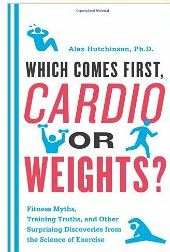
Alex is the perfect guy to do this exercise myth-busting as he is a competitive runner, professional journalist, and has a Ph.D. in physics. His writing is crisp, uncluttered, and bears the understated humor of a Canadian. To be honest, I enjoyed his book so much that I was contemplating blogging about most of his conclusions. However, I don’t want to teeter on the edge of copyright infringement, so I’ll just provide you with some highlights from my favorite sections of the book:
1. Do compression garments help you exercise? I’ve wondered this many times as I jiggled my way down the road on a long run. I’ve always liked the theory behind tight outer-garments, that they reduce unnecessary movement during running, thus making one’s movement more efficient and reducing the bounce and drag on muscles and skin. They may also help with blood return to the heart and reduction in peripheral edema, speeding recovery from exercise. Believing the plausibility of the argument, I have indeed sprung for some rather expensive running tights.
So what does the scientific literature have to say about compression garments’ role in exercise? Apparently there is nothing conclusive yet. Small studies have shown no clear improvement in exercise economy, athletic power or endurance, or recovery from exercise. The only measurable benefits appear to have occurred in those who believed that the compression garments would help their performance. A nice reminder of the importance of the “mind-body” connection in athletic pursuits. Bottom line: if you like how you feel in compression garments, by all means wear them. But don’t expect any dramatic improvements in anything more than your jiggle factor.
2. Will sitting too long at work counteract all my fitness gains? The short answer to this question is: possibly. I was surprised to note that at least one large study found that sitting for more than six hours per day increased one’s risk of death by 18-37% regardless of how much exercise one performed in the other eighteen hours of the day. Long periods of sitting appear to be quite bad for your health, so getting up and moving around every hour or more is important if you have a sedentary job or lifestyle.
3. Does listening to music or watching TV help or hurt my workout? Listening to faster-tempo music can result in increased exercise effort (in many cases completely unconsciously), while TV-watching usually results in a reduced exercise effort. This is because watching videos requires visual attention and subtle changes in balance and movement occur to accomplish it.
4. Will stretching help me avoid injuries? As a person with limited flexibility, I found this section of the book to be quite comforting. As I have blogged previously, stretching has not been shown to reduce the risk of injury or post-exercise soreness. In fact, it can decrease power and speed for certain athletes, though it is important for those who intend to perform great feats of flexibility (such as gymnastics).
5. Should I take pain killers for post-workout soreness? Interestingly, non-steroidal anti-inflammatory drugs (NSAIDs) are not particularly effective in reducing post-exercise pain and can even interfere with muscle repair. NSAIDs block prostaglandins, which are important in collagen synthesis. While NSAIDs are useful in reducing inflammation and swelling in acute injuries (such as an ankle sprain), general muscle soreness isn’t a good reason to pop some ibuprofen.
6. Will drinking coffee help or hinder my performance? I’m one of the few people I know who doesn’t drink coffee, so I was surprised to discover that I may have been missing out on an important exercise enhancer. According to decades of research, caffeine is likely to improve your exercise performance. Studies have shown that pure caffeine (not necessarily in its coffee form) enhances sprint performance as well as endurance activities up to two hours. In 2004 the World Anti-Doping Agency removed caffeine from its list of restricted substances, so expect to see some caffeinated athletes in this summer’s Olympics.
7. What’s the best way to breathe during exercise? If you’ve ever marveled at your own panting, you’ve also probably wondered if there is a more efficient way to breathe – or at least a less embarrassing way. The answer is no. Studies have shown that people who consciously work to make their breathing less labored expend more energy and get less oxygen in the process. So, keep on breathing the way your body wants to… you’re naturally more efficient at it than you think.
I hope that these little tidbits have whet your appetite for more of Alex’s excellent insights. I have fully equipped myself with fast-paced music and a little caffeine, as I move my inflexible, jiggly, panting self down the road on another long run.
It’s no secret that doctors are disappointed with the way that the U.S. healthcare system is evolving. Most feel helpless about improving their work conditions or solving technical problems in patient care. Fortunately one young medical student was undeterred by the mountain of disappointment carried by his senior clinician mentors…
I am proud to be a part of the American Resident Project an initiative that promotes the writing of medical students residents and new physicians as they explore ideas for transforming American health care delivery. I recently had the opportunity to interview three of the writing fellows about how to…
I m often asked to do book reviews on my blog and I rarely agree to them. This is because it takes me a long time to read a book and then if I don t enjoy it I figure the author would rather me remain silent than publish my…
When I was in medical school I read Samuel Shem s House Of God as a right of passage. At the time I found it to be a cynical yet eerily accurate portrayal of the underbelly of academic medicine. I gained comfort from its gallows humor and it made me…
I am hesitant to review diet books because they are so often a tangled mess of fact and fiction. Teasing out their truth from falsehood is about as exhausting as delousing a long-haired elementary school student. However after being approached by the authors’ PR agency with the promise of a…


 I’m often asked to do book reviews on my blog, and I rarely agree to them. This is because it takes me a long time to read a book – and then if I don’t enjoy it, I figure the author would rather me remain silent than publish my true thoughts. Most of the reviews that I end up writing are unsolicited, but today is an unusual exception. A colleague asked me to read her book, “How To Be A Rock Star Doctor.” I got half way through when she checked in to see how things were going. I had to tell her that I didn’t agree with some of her advice to young doctors, and I worried that she would be discouraged by my honesty.
 I’m very excited to be the nutrition coach for the Boys & Girls Clubs’
  Our annual “fall back” time change that gives us an extra hour of sleep is welcome news for most of us. But there are some unintended consequences of darker evenings, especially for drivers. According to the National Safety Council, traffic death rates are three times greater at night than during the day.
 I just finished reading a great little book called, “